Our Office: 4100 32nd Ave. S. Fargo, ND 58104
ALL-OF-THE-ABOVE
“Don’t put all your eggs in one basket.” It’s a familiar saying, and it still applies to how electric cooperatives plan for your power today and into the future.
At Cass County Electric Cooperative, our goal is to provide electricity that is reliable, affordable and responsibly sourced. One of the best ways to do that is through a balanced, diversified energy mix. Every generation resource has its strengths and challenges, whether it is cost, reliability, availability, or long-term sustainability. Relying too heavily on any single source can expose utilities to unnecessary risk.
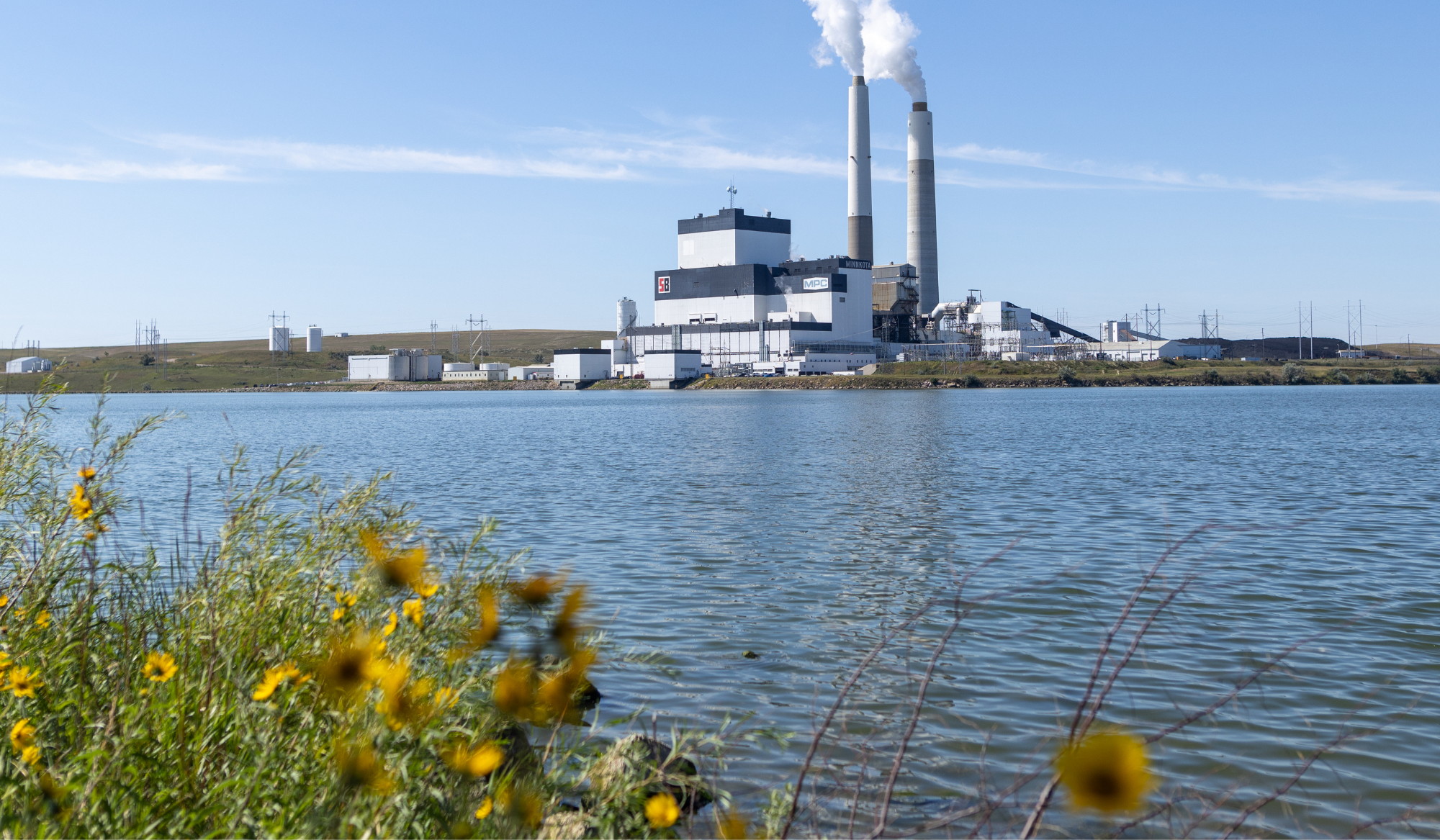
Through our partnership with Minnkota Power Cooperative, your electricity is currently generated using a mix of coal, wind, and hydro resources. This diversified approach helps ensure steady, around-the-clock power, even as conditions change.
As we look ahead, planning for the future becomes even more important. Some existing generation resources across the region are more than 50 years old. Maintaining and eventually replacing these facilities will require significant long-term investment. At the same time, electricity demand continues to grow, and expectations around reliability and affordability remain high.
That is why Minnkota and its member cooperatives are carefully evaluating future power supply options. Natural gas is one of several resources being studied because of its ability to provide reliable, on-demand energy that can complement renewable sources. However, no decisions have been made. Any potential investment will be thoroughly evaluated to ensure it aligns with long-term reliability, cost, and member value.
Decisions about new generation are not made lightly. Building or acquiring large-scale power resources can cost hundreds of millions of dollars and require decades of planning and commitment. These are long-term investments designed to serve members not just today, but for generations to come.
By continuing to take a thoughtful, diversified approach, Cass County Electric Cooperative remains focused on what matters most: delivering dependable power while being responsible stewards of your energy future.
PROS AND CONS OF GENERATION RESOURCES
DISPATCHABLE / BASELOAD
LIGNITE COAL
+ Abundant, domestic fuel source
+ Can reliably run 24 hours per day
+ Cost-competitive with other resources
– Currently, almost impossible to permit
– Can be difficult to ramp up and down to accommodate renewable production
– Higher CO₂ intensity than natural gas, although CO₂ capture technology is advancing
NATURAL GAS
+ Lower CO₂ emission levels than coal
+ Currently, natural gas is low-priced
+ Can be run 24/7 or used during peak events
+ Flexible operation
– Fuel costs have been historically volatile
– Pipeline infrastructure not adequate for projected demand
– Potentially more expensive to install CO₂ capture technology
HYDRO
+ No fuel cost
+ Low-cost energy to consumer
+ No air emissions
+ Flexible operation
– Currently, almost impossible to permit
– Affects fish and wildlife habitat
– Alters the natural flow of rivers
– Virtually no resources in development (some dams being removed)
NUCLEAR
+ No air emissions
+ Can reliably run 24 hours per day
– High capital cost and increasingly expensive fuel
– Radioactive waste must be properly disposed of and monitored
– Nearly impossible to permit
– Cannot ramp up and down to accommodate renewable production
INTERMITTENT
WIND
+ No fuel cost
+ No air emissions
+ Cost-competitive with other resources
– Has intermittent production (produces about 45% of its potential on an annual basis)
– Requires investment in backup generation resources
– Turbines take a larger footprint to produce the same energy as other resources
– Wind farms can impact bird and wildlife populations
– Cannot operate in extreme cold or wind conditions
SOLAR
+ No fuel cost
+ No air emissions
+ Costs are higher than other resources, but are trending downward
– Has intermittent production (produces about 15–18% of its potential on an annual basis)
– Requires investment in backup generation resources
– Solar panels take a larger footprint to produce the same energy as other resources
– Production affected by clouds, snow and extreme cold temperatures
BATTERY TECHNOLOGY
+ No air emissions
+ Can be dispatched when needed
+ Pairs well with renewable resources
– Technology is in its infancy at grid scale
– Costly to deploy and requires investments in other generation resources to charge the batteries
– Can only dispatch for 2–4 hours at a time when energy can be needed for days
– Battery components require significant amounts of rare earth elements, which are almost exclusively produced by China