Our Office: 4100 32nd Ave. S. Fargo, ND 58104

Apartment safety tips for first-time renters
Moving into your first apartment is an exciting milestone. Whether you’re heading to college, starting a new job, or simply enjoying a place of your own, it’s also a good time to learn a few important electrical safety habits.
Start by taking a look around your new space. Check that outlets, switches, and light fixtures appear to be in good condition. If you notice outlets that are loose, cracked, discolored, warm to the touch, or produce sparks when plugging something in, stop using them and contact your landlord immediately.
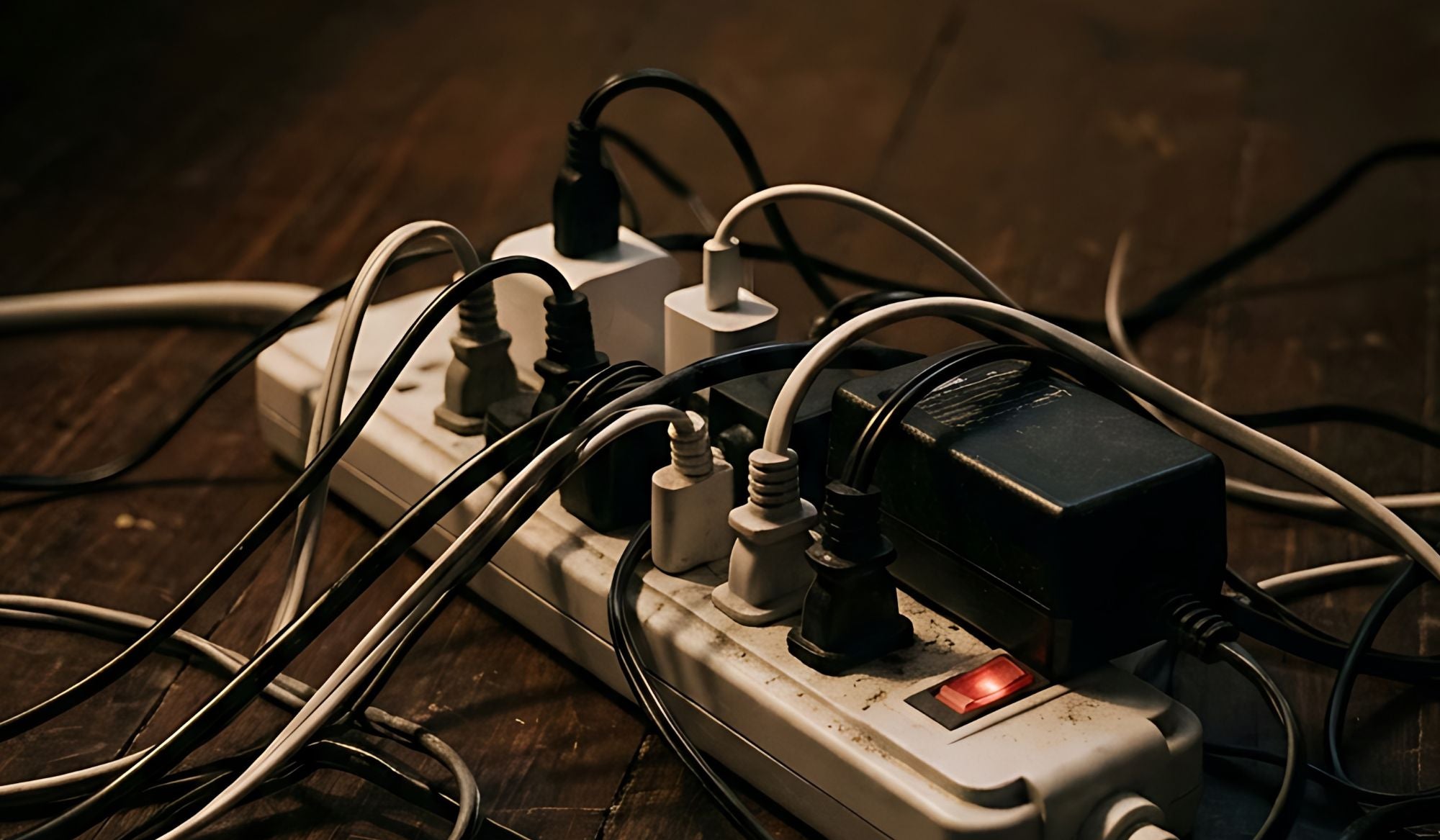
One of the most common electrical hazards in apartments is overloaded outlets. It can be tempting to plug multiple electronics, chargers, and appliances into a single outlet or power strip, but doing so can create a fire risk. Use power strips with built-in surge protection and avoid plugging high-energy appliances such as microwaves, air conditioners, refrigerators, or space heaters into extension cords or power strips.
Extension cords should only be used temporarily. Never run cords under rugs, furniture, or through doorways, where they can become damaged without being noticed. If you regularly need an extension cord to reach an outlet, consider rearranging furniture or asking your landlord about additional outlet options.
Space heaters deserve special attention. Keep them at least three feet away from anything that can burn, including bedding, curtains and furniture. Always plug space heaters directly into a wall outlet, turn them off when leaving the room or going to sleep, and unplug them when they are not in use, as recommended by the National Fire Protection Association.
Water and electricity are a dangerous combination. Keep electrical devices away from sinks, bathtubs, and other wet areas. Never handle electrical cords, plugs, or appliances with wet hands.
Apartments should have ground fault circuit interrupter (GFCI) outlets installed in areas where water is present, such as bathrooms, kitchens, laundry rooms, garages, and outdoor spaces. These outlets are easy to identify by the “Test” and “Reset” buttons on the front. A GFCI constantly monitors the flow of electricity and can quickly shut off power if it detects a potential shock hazard. Take a moment to locate the GFCI outlets in your apartment and learn how to reset them if they trip.
Take a moment to identify your apartment’s electrical panel and learn which breaker controls your living space. Knowing how to safely reset a tripped breaker can save time and help you respond appropriately if power goes out in part of your apartment.
Finally, make sure smoke alarms are installed and working properly. Test them when you move in and report any issues to your landlord. Smoke alarms provide an important early warning if an electrical problem or fire occurs.
Your first apartment is an exciting step toward independence. By practicing a few basic electrical safety habits, you can help protect yourself, your roommates, and your belongings while enjoying your new home.