Our Office: 4100 32nd Ave. S. Fargo, ND 58104

Flying with batteries? Know the rules before you pack.
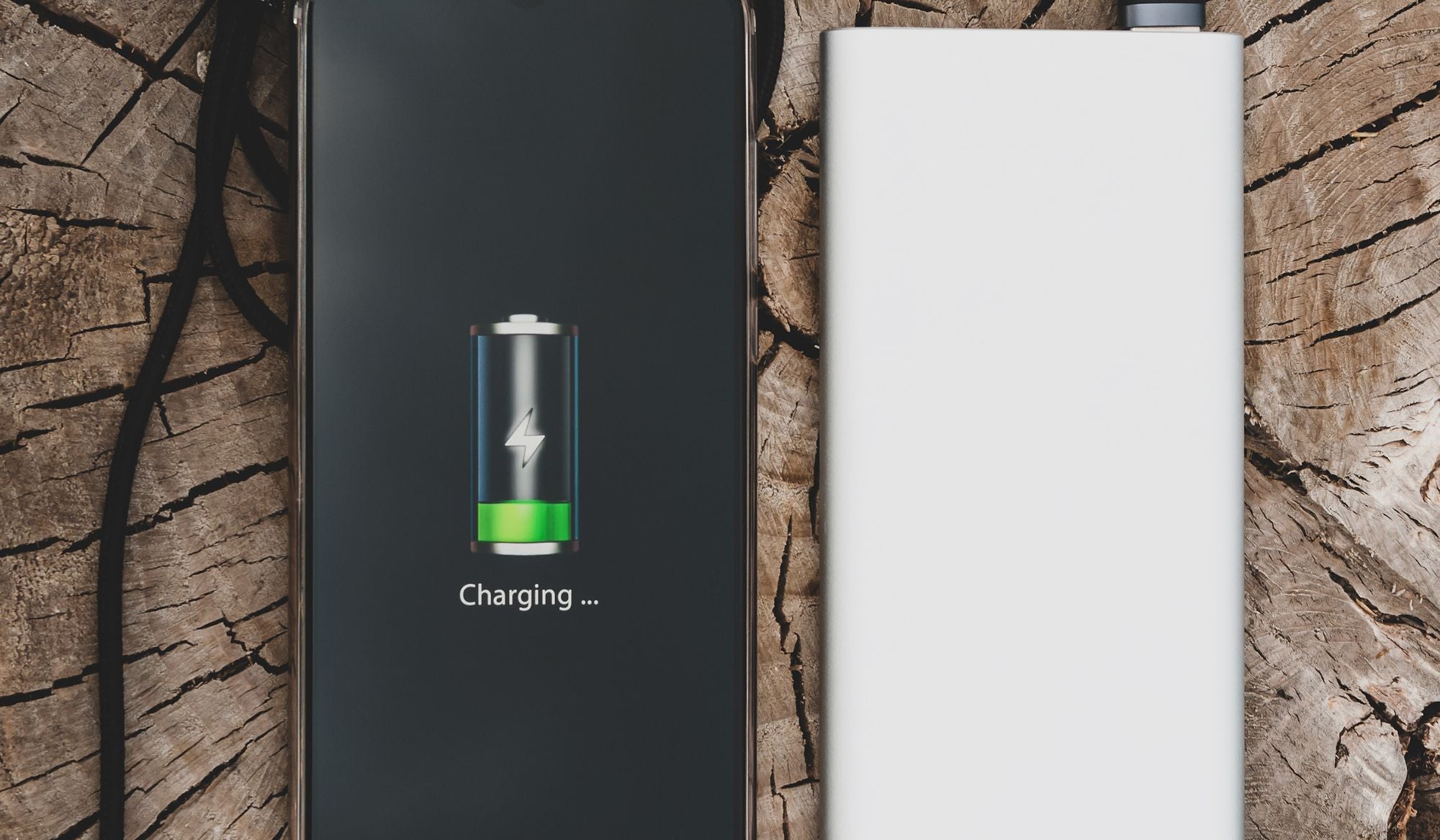
If air travel is on your calendar, take a moment to check how you pack devices powered by lithiumion batteries.
Phones, laptops, tablets, and portable chargers are part of everyday life, but lithium-ion batteries can pose a fire risk if they are damaged, overheated, or improperly packed.
The most important rule to remember: Portable power banks and spare lithium batteries belong in your carry-on, not checked luggage. Keeping them in the cabin allows flight crews to respond quickly if a battery overheats or catches fire.
Spare batteries for cameras, drones, and other electronics should also be protected from damage and short circuits. Cover exposed terminals with tape or keep batteries in their original packaging or a protective case.
If your suitcase has a built-in lithium battery for charging, tracking or other features, check whether the battery can be removed. Smart luggage should generally be carried on. If the bag is checked, remove the battery and keep it with you in the cabin. Always check your airline’s specific requirements before traveling.
Most devices with batteries installed, including phones, tablets, laptops, and smartwatches, may be packed in either checked or carry-on luggage. If placing a device in checked baggage, make sure it is completely powered off and protected from accidental activation or damage.
Know your battery size
Airlines use watt-hours (Wh) to determine whether lithium-ion batteries can be brought on board.
• 100 Wh or less: Generally allowed
• 101-160 Wh: Airline approval may be required
• More than 160 Wh: Generally prohibited on passenger aircraft
Most portable phone chargers fall below the 100 Wh limit, but check the label before traveling.
Before heading to the airport, review your airline’s battery policies, as requirements may vary.
The easiest rule to remember: If it’s a power bank or spare lithium battery, keep it with you in the cabin.