Our Office: 4100 32nd Ave. S. Fargo, ND 58104
Grid Power Players
1. Generation Owners & Operators
Power plants can be owned and operated by electric utilities, government entities, or other private companies. Power plants produce electricity by converting energy from various sources—like natural gas, coal, nuclear, or renewables—into electricity.
2. Transmission System Owners & Operators
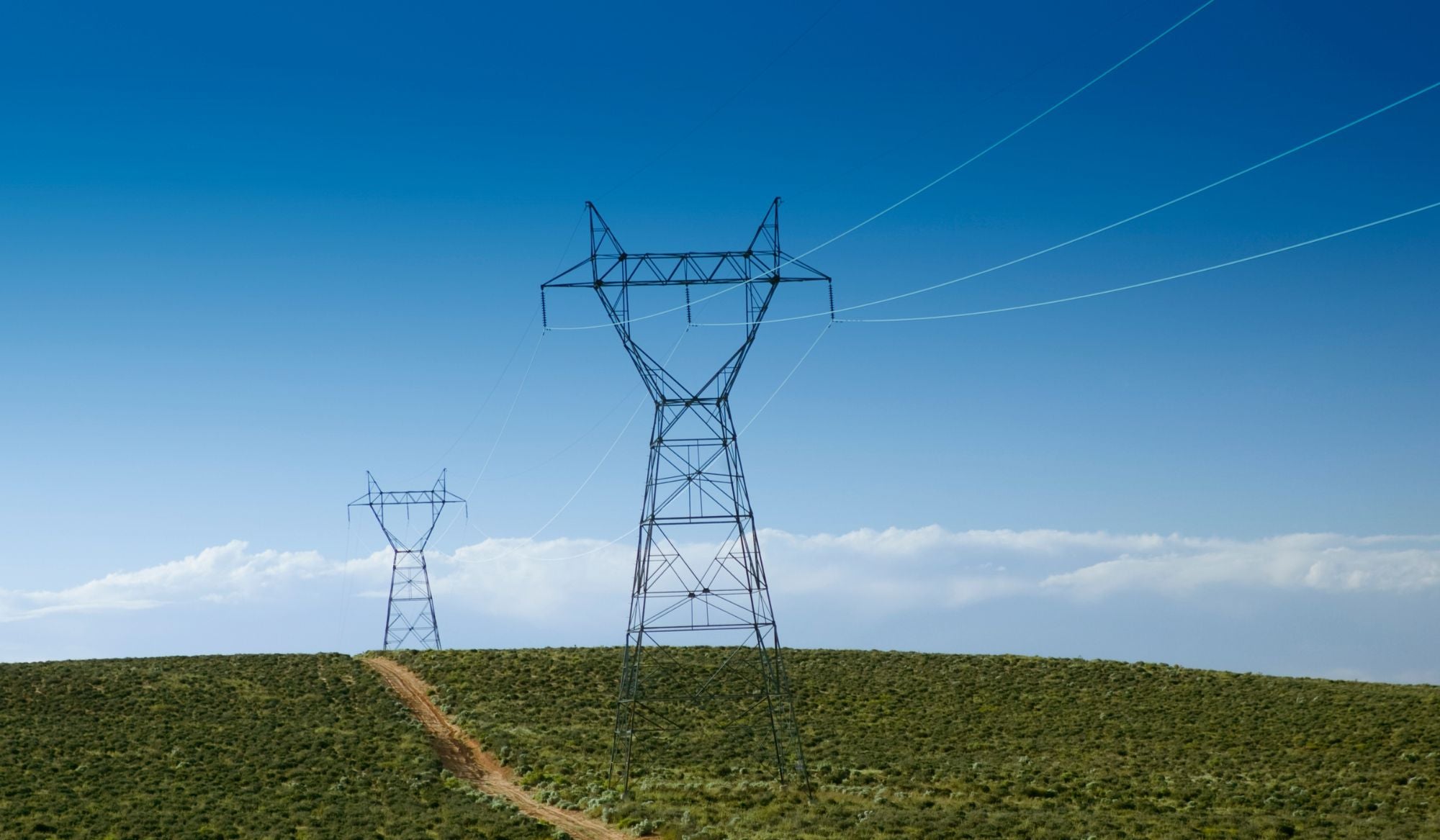
The transmission grid moves large amounts of electricity over long distances using high-voltage transmission lines attached to large towers. Like power plants, these lines can be owned by a variety of public and private companies.
3. Organized Wholesale Markets
In many parts of the country, Regional Transmission Organizations (RTOs) and Independent System Operators (ISOs) coordinate the flow of electricity across regions by balancing supply and demand in real time and managing the dispatch of electric generation and transmission across large areas with the participation of generation and transmission owners.
4. Electric Utilities (That’s Us!)
Electric distribution utilities take electricity from the transmission system and deliver it to homes and businesses through lower-voltage distribution lines. They also maintain local power lines, poles, and other essential equipment.
5. End Users (That’s You!)
End users consist of the homes, businesses, and industries that consume electricity. Their demand drives how much electricity is generated and how the grid is managed in real time.
Other Key Players:
NERC: The regulatory authority that develops and enforces mandatory reliability standards for the North American bulk electric grid. (Standards are developed through a stakeholder process.)
FERC: Independent federal agency that oversees interstate transmission and wholesale electricity sales, ensuring fair access to the grid.