Our Office: 4100 32nd Ave. S. Fargo, ND 58104
Powering the future
How many times a day do you use electricity? Do you always stop to think about the people behind the scenes who make power happen? Most people don’t. But those skilled professionals are the reason you can charge your phone or turn on the air conditioning. They’re key cogs in our society’s system, and their jobs are fascinating.
From the workers who generate electricity at power plants to the crews who build and maintain power lines, the energy industry relies on a diverse workforce of highly trained trades professionals. These careers offer hands-on work, competitive wages, and opportunities to make a meaningful impact in local communities.
As demand for electricity continues to grow, the energy workforce will need to grow along with it.
Delivering power
For many people, lineworkers are the face of the electric industry. Whether they’re building new infrastructure or restoring power after a storm, lineworkers help ensure electricity reaches homes, farms, and businesses safely and reliably. The work requires technical expertise, physical endurance, and a commitment to safety.
At electric cooperatives like Cass County Electric Cooperative (CCEC), lineworkers complete extensive apprenticeship programs that combine classroom instruction with thousands of hours of on-the-job training. They learn everything from climbing poles and operating equipment to working safely around energized power lines.
But lineworkers are just one part of the power delivery workforce. Electricians, energy technicians, and engineers help install, maintain, and troubleshoot the equipment that keeps the electric system operating efficiently and safely. Their work may involve substations, demand response systems, metering equipment, communication networks and other infrastructure that supports the delivery of electricity.
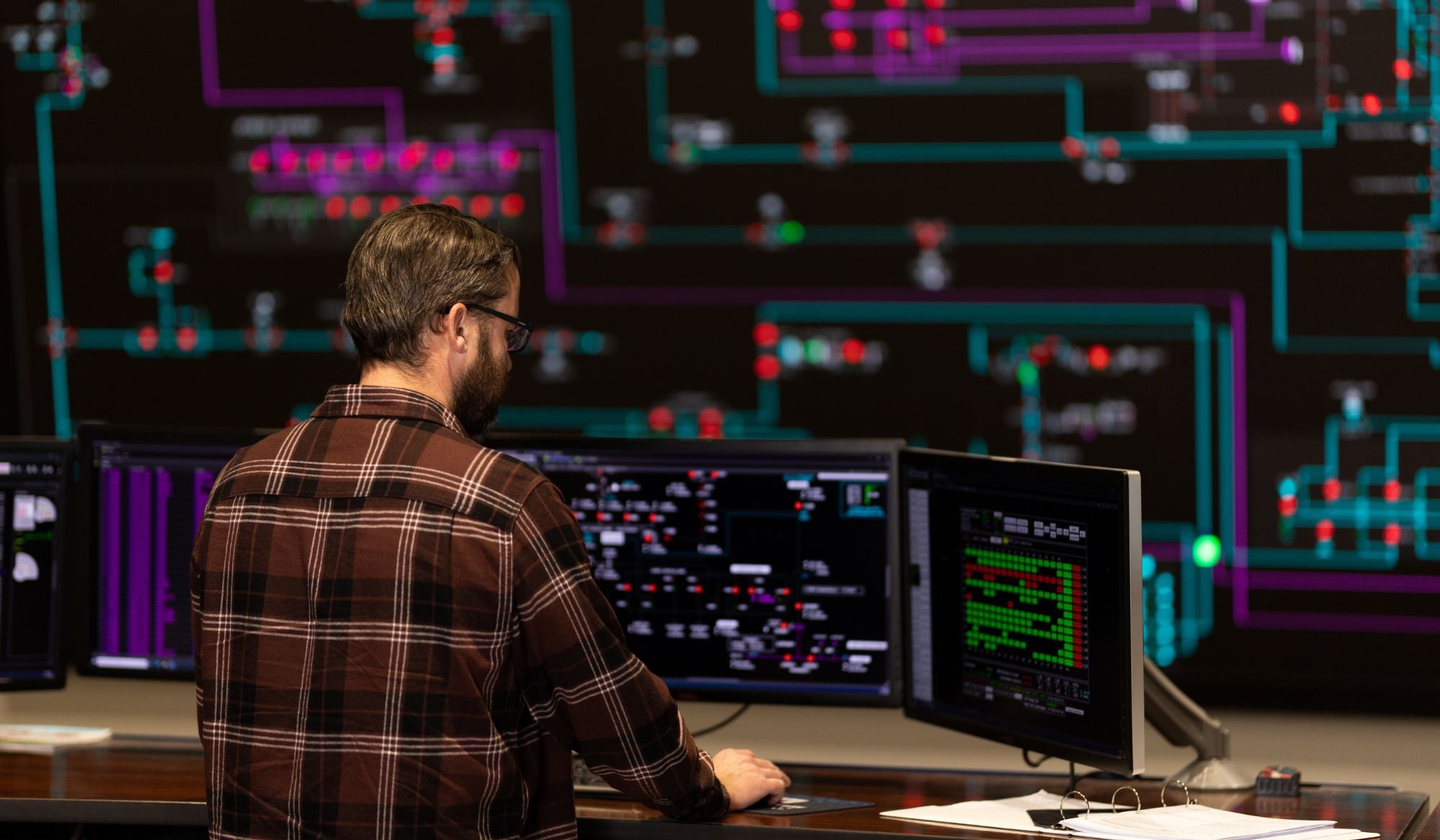
Power system operators (called power control technicians at CCEC) work behind the scenes, monitoring the electric system around the clock. Using advanced technology, they help identify outages, coordinate repairs, and ensure that electricity continues to flow to members.
Generating power
Before electricity can travel through power lines, it must first be generated. For CCEC, electricity is generated in part at the Milton R. Young Station in Center, North Dakota, where more than 170 skilled professionals keep operations running. Although the Young Station is coal-based, it requires many of the same trades as a natural gas plant. Technology continues to transform the energy industry, but the need for workers with strong technical and mechanical skills remains.
Power plant operators oversee the systems that generate electricity. They “steer the ship,” monitoring equipment, responding to changing energy demands, and helping ensure the facility operates safely around the clock. Operators require strong communication skills and the ability to follow procedures and adapt to a fluid environment.
Plant technicians are in charge of much of the plant’s technical maintenance, repairs, inspections, and testing. They also install and remove electrical circuits and equipment, indicating and recording instruments, control devices and control systems, and HVAC equipment and structures.
Similarly, plant mechanics perform preventative maintenance on equipment, troubleshoot issues and repair failed mechanical components. They perform torching, brazing, soldering and welding on various types of metals in multiple positions. Mechanics also inspect and maintain plant tools and oversee the plant shops.
These careers often appeal to people who enjoy solving problems and working with both technology and machinery. Every day presents a new challenge. While many people may never see the inside of a power plant, the work performed there is essential to maintaining a reliable electric system.
Building the future
The energy industry continues to evolve, creating new opportunities in renewable energy and emerging technologies.
One of the fastest-growing careers in the energy sector is that of a wind turbine technician. These workers inspect, maintain, and repair wind turbines, often working hundreds of feet above the ground. Wind turbine technicians combine mechanical, electrical, and computer-based skills.
Renewable energy projects also create opportunities for electricians, equipment operators, and controls specialists. Many of the skills developed in traditional energy careers transfer directly into renewable energy positions, creating opportunities for workers throughout their careers.
As technology continues to advance, the industry is also seeing increased demand for workers with expertise in automation, communications systems, and energy storage.
More than a job
One of the biggest advantages of a career in the energy industry is the variety of pathways available. Many positions can be entered through apprenticeships, technical colleges, industry certifications, or employer-sponsored training programs. Workers can gain valuable experience while developing specialized skills in demand nationwide.
“Careers in the energy industry give people the opportunity to develop valuable skills, grow professionally, and do meaningful work that supports their communities,” said Theresa Halverson, manager of human resources at Cass County Electric Cooperative. “There is no single path into this field. Technical education, apprenticeships, and hands-on experience can all open the door to a rewarding career.”
Energy careers also offer the opportunity to make a difference. At CCEC, our team helps power the communities where we live, work, and raise our families. We are members, too.
Curious about a career in energy? Whether you’re exploring technical college programs, apprenticeships, or future career options, Cass County Electric Cooperative is available to provide classroom presentations and job shadow opportunities. Contact us at ccec@kwh.com to learn more.
Why Consider a Career in Energy?
✓ High demand for skilled workers
✓ Competitive pay and benefits
✓ Opportunities to earn while you learn
✓ Careers that make a difference in local communities
✓ Multiple pathways through apprenticeships and technical colleges
Find your path
Lineworker
What they do: Build, maintain, and repair overhead and underground power lines that deliver electricity to homes and businesses.
Training: 3-9-month program, followed by apprenticeship with classroom and hands-on training
Electrical Technician
What they do: Install, test, and maintain electrical equipment, controls, and systems that help keep the electric grid operating reliably
Training: Technical college degree or industry certification
Power System Operator
What they do: Perform routine and emergency switching on the power system while monitoring the electric grid to make sure power is flowing to every region
Training: Technical college degree and employer-provided training
Power Plant Operator
What they do: Monitor and control the systems used to generate electricity while ensuring facilities operate safely and efficiently
Training: Technical college, military experience, or employerprovided training
Plant Technician
What they do: Inspect, maintain, and repair the technical and mechanical equipment used to generate electricity
Training: Technical college, apprenticeship, or employersponsored training
Wind Turbine Technician
What they do: Inspect, maintain, and repair wind turbines that generate renewable energy
Training: Technical college certificate or associate degree