Our Office: 4100 32nd Ave. S. Fargo, ND 58104
Safety beyond the outlet
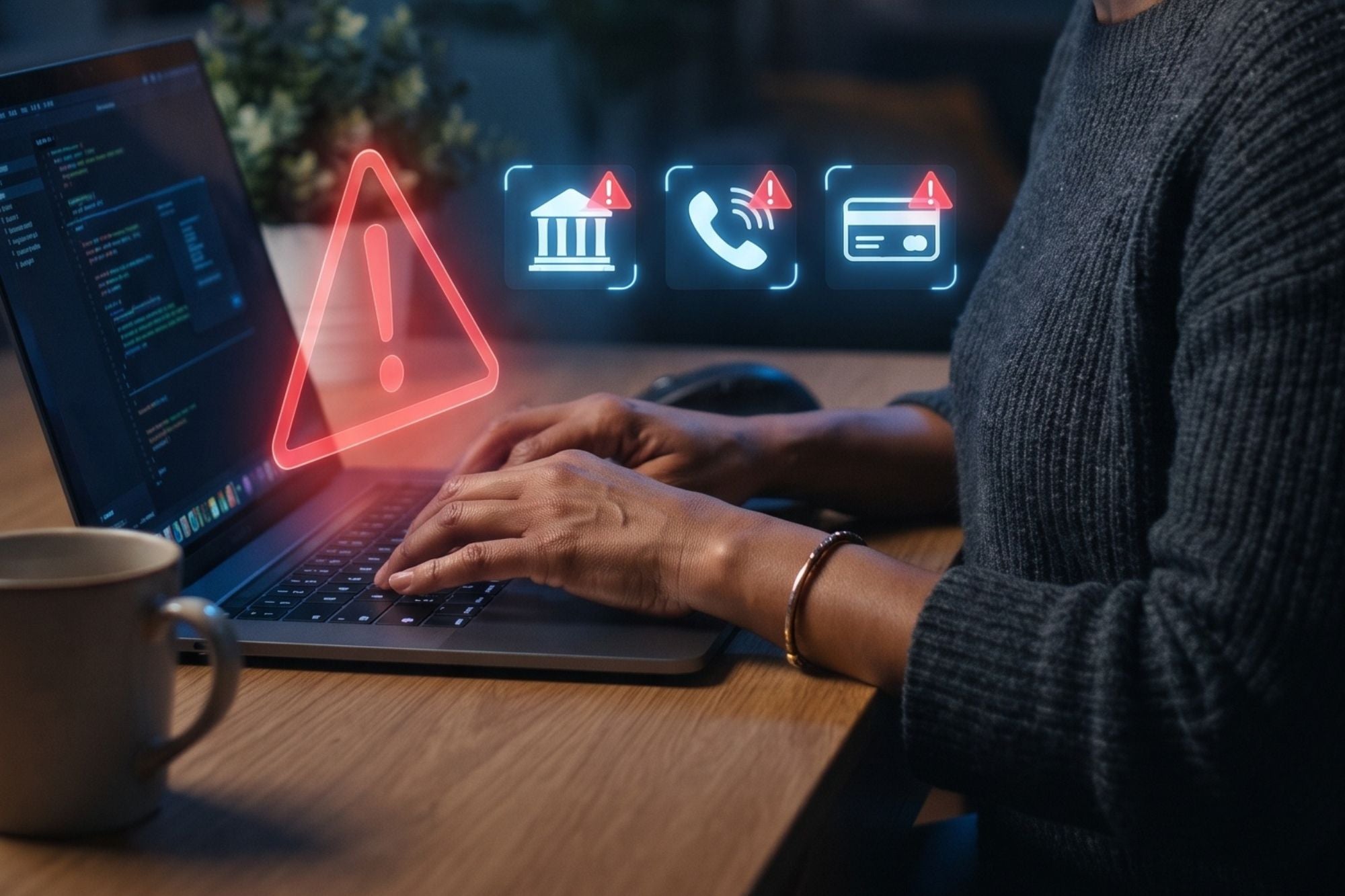
Artificial intelligence is making it easier for scammers to create polished emails, text messages, and other fake communications. Messages that once stood out because of spelling errors or awkward wording can now look professional and legitimate.
AI can also use publicly available information, including details from company websites, to make a message sound more familiar or believable. That means recognizing a scam increasingly comes down to looking beyond how polished the message appears.
Watch for these warning signs
Urgency: Be cautious when a message pressures you to act immediately, especially if it involves money, passwords, or account access. Scammers often want you to react before you have time to think.
Something unexpected: An invoice you do not recognize, a password reset you did not request, or a message from someone you rarely hear from deserves a closer look.
Unexpected links or attachments: Treat email and text messages as notifications rather than shortcuts. If Facebook says you have a new notification, open Facebook directly instead of using an unexpected link. If you receive a UPS tracking number, copy the number and enter it on UPS’s official website.
Impersonation: If a message appears to come from someone you know but something feels off, contact that person another way using contact information you already trust.
QR codes deserve the same caution. Scammers can place fraudulent QR code stickers over legitimate codes. Before scanning, consider where the code came from, and check the website address before entering personal or payment information.
If you already clicked
If you entered information into a suspicious website, change your password and enable multifactor authentication whenever possible. You should also review the account for unfamiliar devices or active login sessions.
Stop. Check. Verify.
The digital world moves quickly, but you do not have to. Take a moment to evaluate an unexpected message before clicking, scanning, or responding.
Scammers want you to react before you think. Slow down, verify the request, and use a trusted website or contact method whenever you are unsure.