Our Office: 4100 32nd Ave. S. Fargo, ND 58104

Space Heater Safety
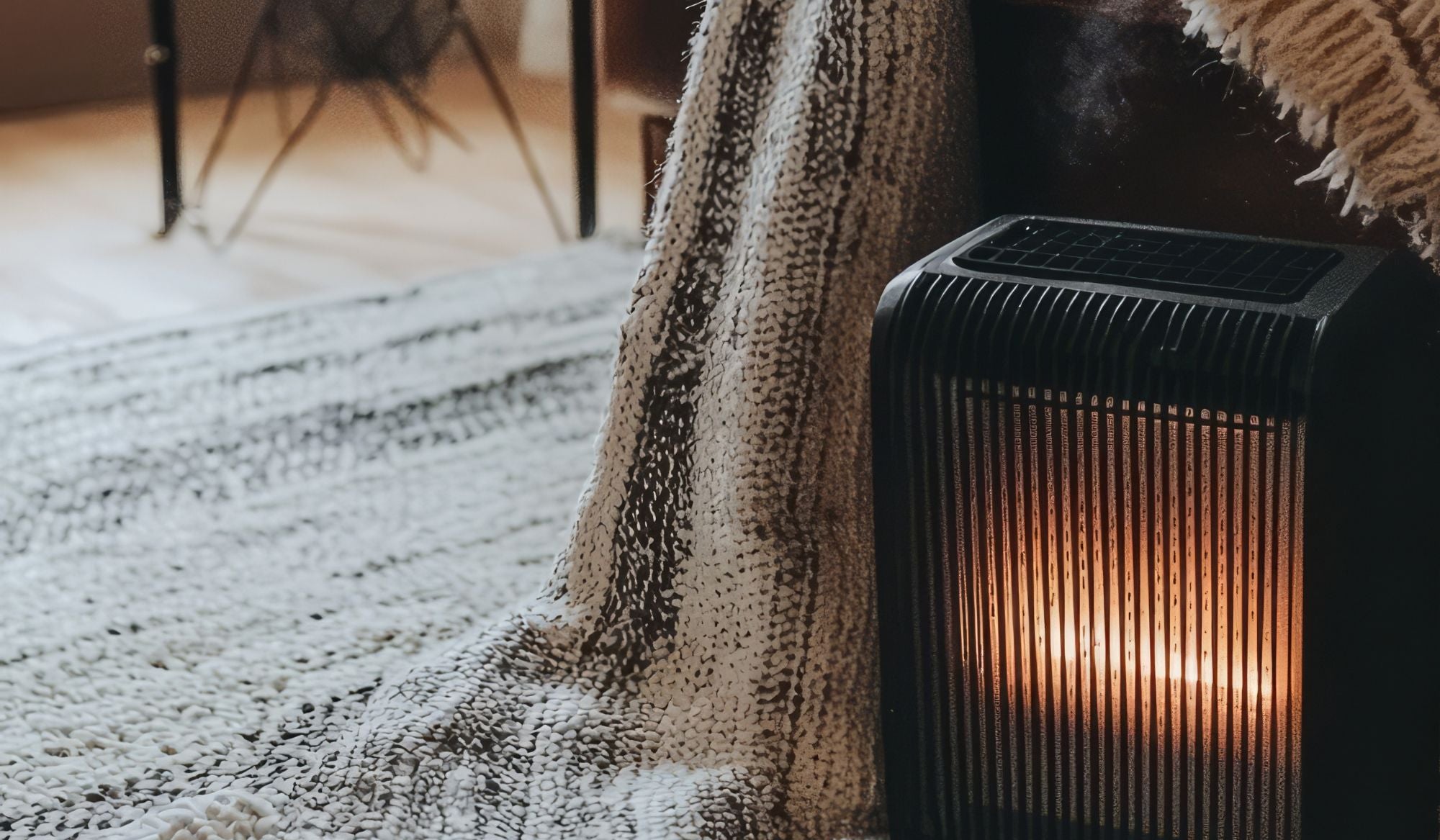
Cold weather often sparks a familiar standoff over thermostat settings. One person is freezing, another is cracking a window, and comfort lands somewhere in the middle. Since everyone feels temperature differently, many members reach for space heaters or electric blankets to add warmth without heating the entire home. These devices can be effective when used properly, but they can also pose serious risks if safety precautions are not followed.
Space heaters are built to warm small, targeted areas, not whole houses. If you’re relying on one daily to heat a drafty room, it could be a sign your home is losing heat faster than it should. Space heaters can also have a noticeable impact on your electric bill. A typical 1,500-watt space heater costs more than 17 cents per hour to operate, which can add up quickly over the winter months. If you have questions about the cost of running a space heater or want help identifying the most cost-effective heating options for your home, our energy services team is available to help.
Before plugging in a heater, consider tackling efficiency upgrades first. Sealing drafts and improving insulation helps your home retain heat, reduces energy use, and makes supplemental heating sources safer and more effective.
Efficiency fixes don’t need to be complicated or expensive. High-impact steps include sealing air leaks around windows and exterior doors, adding insulation in key areas such as the attic, scheduling regular maintenance for your furnace or heat pump, and using a programmable thermostat to reduce energy waste. Once efficiency issues are addressed, a space heater can safely boost comfort in a home office or bedroom.
Use space heaters efficiently by heating only occupied rooms, closing doors to keep heat contained, checking sizing guides, and choosing models with thermostats and timers. When purchasing a heater or electric blanket, look for current safety certification marks such as UL, ETL, or CSA labels. Avoid older or secondhand devices, which may lack modern safety features.
Proper placement is critical. Set space heaters on solid, flat, nonflammable surfaces. Never place them on carpets, furniture, or countertops. Plug heaters and blankets directly into wall outlets, not extension cords or power strips. Keep children, pets, curtains, bedding, and other flammable materials at least 3 feet away, and never leave these devices unattended or running while you sleep.
Routine checks matter, too. Inspect cords for cracking or fraying and discontinue use of any device showing damage or charring. Replace electric blankets that become worn or develop darkened spots, and store them flat or loosely rolled to protect internal wiring. Keep heaters and blankets away from water.
Safety goes beyond the devices themselves. Test smoke detectors monthly, change batteries twice a year, practice a home escape plan, and make sure pets are not sleeping on electric blankets. When disposing of old or damaged equipment, check with your local recycling facility for proper appliance disposal.
By improving efficiency first and following smart safety habits, you can keep your home comfortable, energy efficient, and strong all winter long.