Our Office: 4100 32nd Ave. S. Fargo, ND 58104
Why not put every power line underground?
When members think about electric reliability, one question often comes up: Why not put every power line underground?
It is a fair question. Underground lines can be a good option in the right place. They are protected from wind, ice, and trees, which are among the common threats to overhead lines. That is why underground construction already makes up a significant portion of Cass County Electric Cooperative’s system.
CCEC maintains 5,885 miles of line across 10 counties, including 3,139 miles underground and 2,744 miles overhead. Together, those lines serve more than 60,000 service locations.
The key is installing the right type of line in the right place.
Underground lines often make sense in new developments, areas with limited right of way or locations where they can be installed efficiently alongside other utilities. In the right setting, underground construction can reduce exposure to some weather-related outages and provide longterm reliability benefits.
But underground is not the best answer everywhere.
Cost is one of the biggest factors. Underground construction typically costs significantly more than overhead construction, especially when converting existing lines or working in established areas where roads, yards, landscaping, and other property may need to be restored.
Those costs matter because CCEC is a not-for-profit cooperative. System investments are ultimately paid for by the members we serve, so each project must balance reliability, affordability, and long-term value.
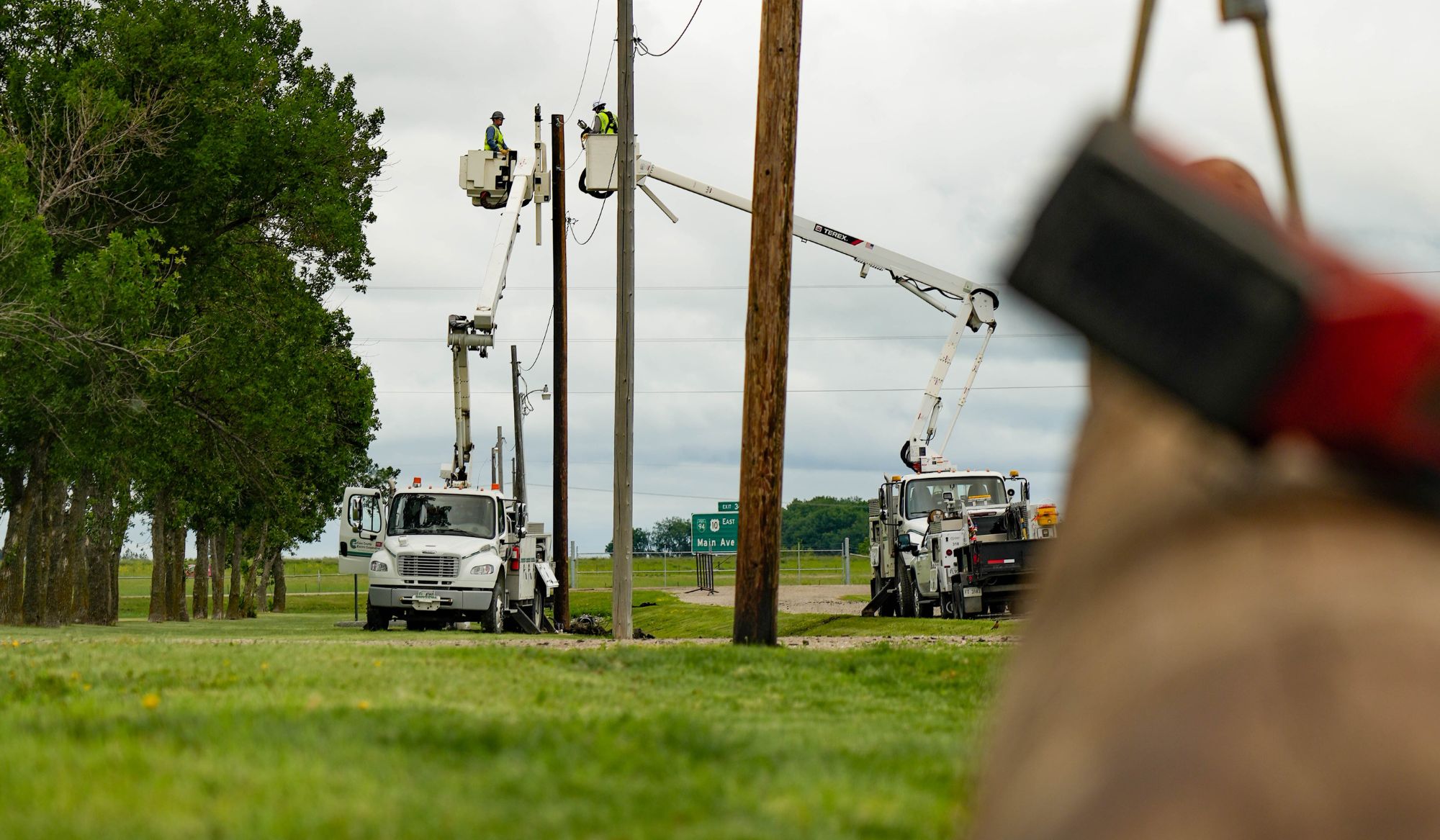
Underground lines can also take more time to repair. When a fault occurs, crews may need specialized equipment to locate the problem before digging to reach the damaged cable. Overhead lines are generally easier to inspect, access, and repair once conditions are safe.
Reliability also depends on much more than where a line is located. CCEC combines strategic construction with year-round maintenance and technology that helps crews monitor the system, identify outages, and respond more efficiently.
The goal is not to choose overhead over underground, or vice versa. It is to make smart, responsible investments based on each location while building a reliable electric system and protecting the value members expect from their cooperative.