Our Office: 4100 32nd Ave. S. Fargo, ND 58104

Safety
At Cass County Electric Cooperative, safety isn’t just a priority—it’s a core value that guides everything we do. We are deeply committed to protecting our employees, members, and the communities we serve. Electricity is a powerful resource, but it requires respect and knowledge to use safely. That’s why we provide comprehensive safety resources to help you stay informed and protected, whether at home, on the farm, or in the workplace. Explore the tools, tips, and guidelines below to learn how we put safety first—every day, in every way.
Outage Safety
Although our electric service is generally reliable, winter storms, summer storms, spring flooding, and other unpredictable weather events can lead to power outages. Please use the provided content below to stay safe and make sure you are prepared for inclement weather and possible power outages.
Youth Safety
Electricity powers our world, but it can also be dangerous if not handled properly. Teaching children about electrical safety helps prevent accidents and builds lifelong awareness. From understanding the risks of power lines to using outlets safely, educating kids on these important habits ensures their well-being at home and outdoors.
First Responders Safety
First responders must make good decisions quickly in emergencies. Some of these emergencies involve electric lines, which can be dangerous for both the public and first responders. Cass County Electric wants all first responders to know what to do when they arrive at the scene of an incident that involves electricity.
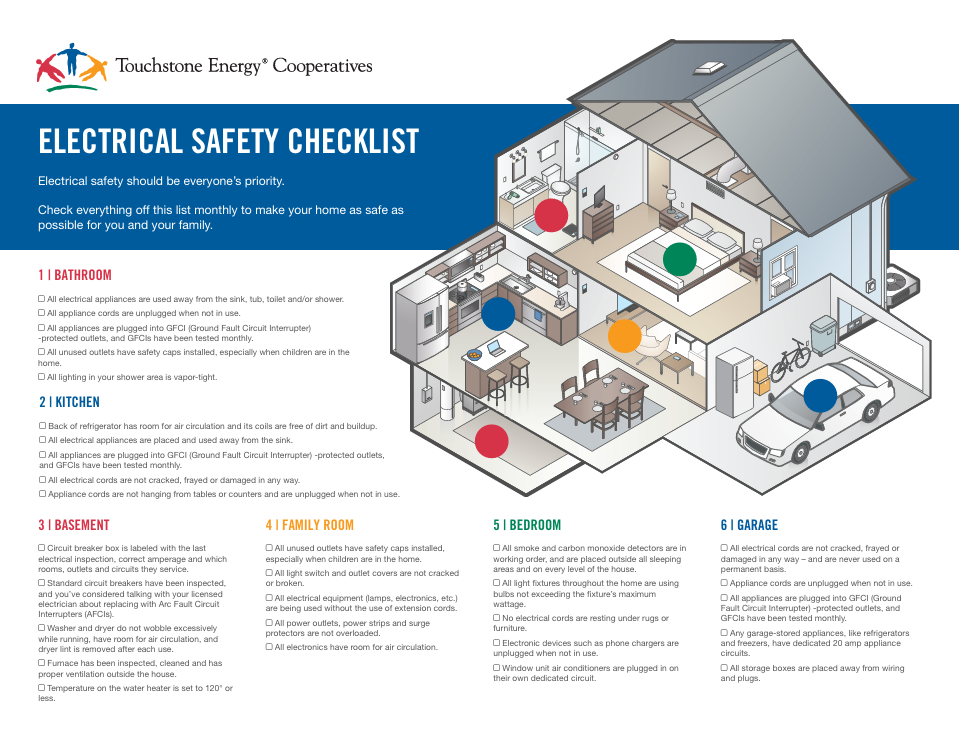
Electricity is an essential part of everyday life, but it must always be treated with care. Electrical hazards can lead to shock, electrocution, burns or fires, and many warning signs are easy to overlook.
Cass County Electric Cooperative is committed to helping members recognize electrical hazards and make safer decisions at home, outdoors and around power lines. Inspect electrical equipment regularly, use appliances and tools only as intended, and contact a licensed electrician when something does not look or feel right.
Warning Signs You Should Not Ignore
Contact a licensed electrician if you notice:
- Frequently tripped circuit breakers or blown fuses
- Flickering or dimming lights
- Warm, scorched or discolored outlets
- Buzzing, sizzling or crackling sounds
- A burning or unusual odor
- Sparks when inserting or removing a plug
- Loose outlets or switches
- Mild shocks or tingling when touching an appliance
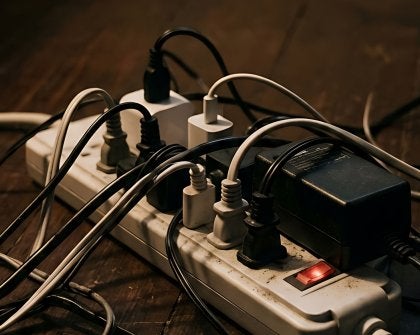
- Extension cords being used as permanent wiring
Do not attempt electrical repairs unless you are properly trained and qualified. Turn off the affected circuit when it is safe to do so and have the problem evaluated by a licensed electrician.
Electrical Emergencies
Prevent Electrical Shock
General Electrical Safety
Stay Back, Stay Alive
Never trust appearances—a downed power line doesn't have to be sparking or humming to be deadly. If you encounter a fallen wire, assume it is fully energized and capable of causing fatal injury.
In the Event of a Vehicle Accident:
- If your vehicle comes into contact with a power line, do not exit. Your car and the surrounding ground may be highly energized. Stay inside your vehicle, call 9-1-1, and wait for line crews to confirm the area is de-energized. Your vehicle is your safest shield—staying put could save your life.
Almost 50% of Cass County Electric Cooperative’s power lines are buried underground. While underground lines are protected from high winds and accidental vehicle damage, they face another threat when the ground thaws and landscaping, farming and construction projects begin.
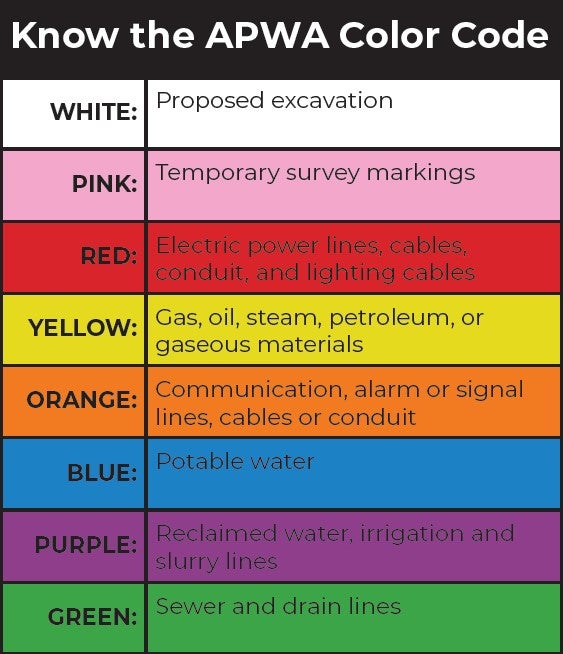
Digging into an underground power line can cause an outage for an entire neighborhood. It can also result in serious injury or death. Electric lines are not the only utilities beneath the ground. Gas, water, sewer and telecommunications facilities may also be located within the project area.
Fortunately, one simple step can help keep you, your property and your community safe.
Plan Ahead. Dig Safely.
The service is free, simple and required by North Dakota law.
Calling 811 is free, easy and required before digging. A few minutes of planning can prevent injuries, outages, property damage and costly repairs.
Farm equipment is becoming larger and more advanced, increasing the risk of accidental contact with power lines, poles and guy wires.
Before entering a field or moving equipment:
- Identify electrical hazards.
- Review the planned route.
- Make sure everyone knows what to do during an electrical emergency.
Contractors work around electrical hazards every day, including overhead power lines, underground utilities and energized equipment.
Before beginning a project, carefully inspect the job site, communicate potential hazards and make sure every worker understands the safety plan.
Taking time to prepare can prevent equipment damage, serious injuries and deadly electrical contact.
Wildfires can threaten homes, communities and critical electrical infrastructure. Cass County Electric Cooperative is committed to reducing wildfire risk while continuing to provide safe, reliable electric service to our members.
Our Wildfire Mitigation Plan
Cass County Electric’s Wildfire Mitigation Plan outlines the proactive steps we take to identify potential hazards, maintain our electrical system and prepare for elevated wildfire conditions.
Learn More
Review Cass County Electric Cooperative’s Wildfire Mitigation Plan to learn more about how we prepare for and respond to wildfire risks.
Generators provide essential comfort during an outage, but improper use creates a silent, deadly hazard for both you and utility crews.
Avoid the Danger of "Backfeeding"
- Never plug a portable generator directly into a wall outlet. This causes "backfeeding," where high-voltage electricity flows backward through your meter and onto the utility lines. This unexpected surge can electrocute lineworkers who believe the lines they are repairing are de-energized.